Free Crochet Cowl Pullover Pattern: Easy Beginner Sweater
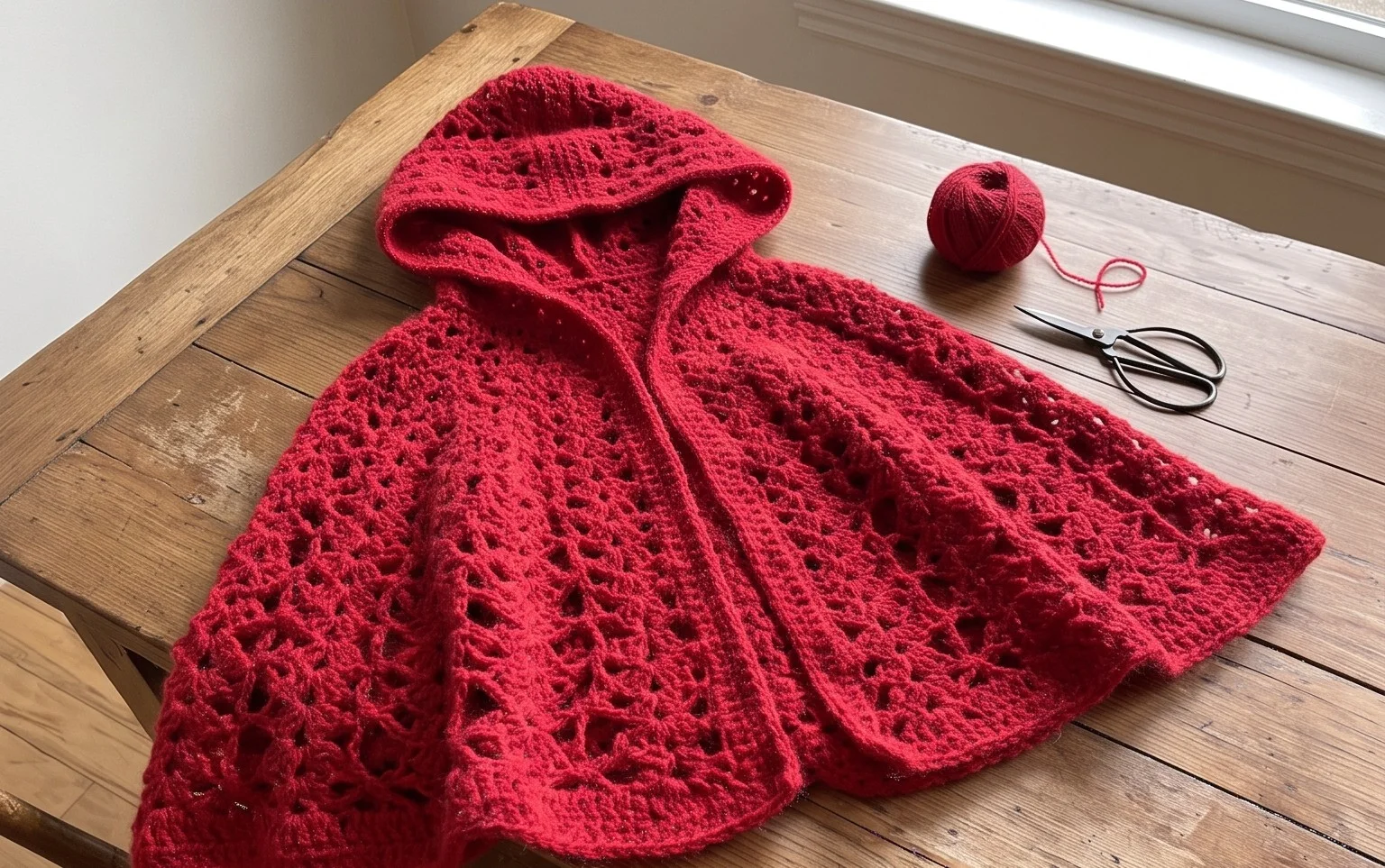
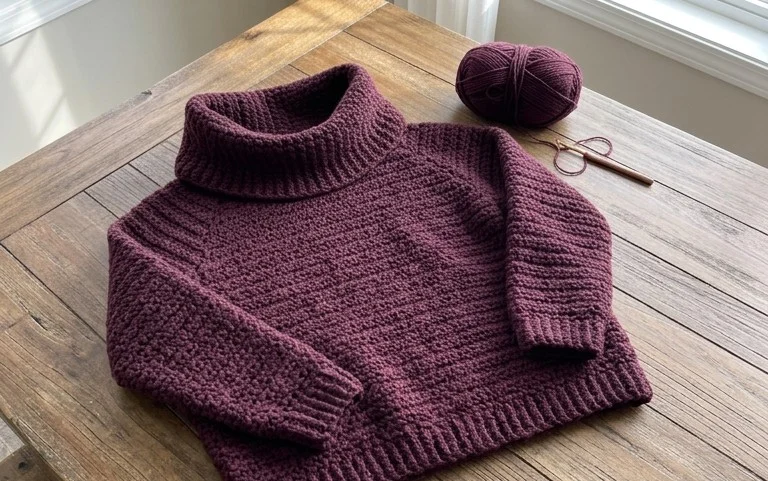
A soft cowl neck sweater brings a sense of comfort to chilly afternoons, offering a drape that feels gentle against your skin. This design focuses on a flattering fit for curvy figures, utilizing simple stitches that build up a cozy, wool-like texture without feeling heavy. Makers of any experience level find the process soothing, as the rhythm of the hook becomes a natural part of the quiet hours spent crafting. You will learn how to shape the neckline and taper the body for a custom silhouette that looks polished. This project turns basic yarn into a staple wardrobe piece you will reach for whenever the temperature drops below fifty degrees.
Why You’ll Love This Pattern
This classic crochet dishcloth relies on the durable linen stitch, which creates a dense, woven-like fabric that excels at scrubbing surfaces without scratching. Because it uses a simple alternating pattern of single crochet and chains, it works up quickly and provides a relaxing, meditative rhythm for experienced makers. The tight construction ensures the cloth maintains its shape even after repeated use and cycles through a standard washing machine. It serves as an excellent scrap-yarn project, requiring less than one ball of standard cotton yarn.
I managed to finish three of these during a single weekend trip. The texture is much sturdier than the standard granny square cloths I usually make.
— Sarah, home crafter
Pattern Overview & Skill Level
- Skill Level: Beginner
- Approximate Time: 1 to 2 hours
- Construction: Worked in flat rows starting from a foundation chain
- Finished Dimensions: 8 inches by 8 inches
Materials & Supplies Needed
- Yarn: Worsted weight (#4) 100% cotton yarn, approximately 75 yards. Cotton is necessary for its absorbency and heat resistance.
- Hook Size: 5.0 mm (H-8) crochet hook.
- Notions: Tapestry needle for weaving in ends and scissors.
- Safe yarn substitutions: You may use a cotton-linen blend for a more rustic texture, though this may decrease overall absorbency. Avoid acrylic yarns, as they are not absorbent and will melt if they touch a hot pan.
Stitch Guide & Abbreviations (US Terms)
- ch: chain
- sc: single crochet
- st: stitch
- sk: skip
- rep: repeat
- Linen Stitch: Also known as the moss stitch; created by alternating single crochet and chain stitches in a specific sequence.
Step-by-Step Pattern Instructions
Main Cloth Body
The foundation chain must be an even number to ensure the pattern aligns correctly at the end of every row.
- Row 1: Ch 32. Sc in 4th ch from hook, *ch 1, sk 1 ch, sc in next ch; rep from * to end. (16 sc, 15 ch-1 spaces)
- Row 2: Ch 2 (counts as ch 1), turn. Sc in the first ch-1 space, *ch 1, sk 1 sc, sc in next ch-1 space; rep from * until you reach the turning chain, sc in the top of the turning chain. (16 sc, 15 ch-1 spaces)
- Rows 3–40: Repeat Row 2 until the piece forms a square.
Finishing
Once you reach the desired length, fasten off the yarn by pulling the tail through the final loop. Use a tapestry needle to weave the loose ends securely into the back of the fabric, stitching through the base of the single crochet stitches to hide the yarn. Trim any excess fiber flush with the cloth.
Care & Washing Instructions
- Machine wash in warm water using a mild detergent to remove grease and food residue.
- Tumble dry on a low setting or lay flat in a well-ventilated area to prevent mildew buildup.
- Reshape the cloth while damp if it loses its square form during the wash cycle.
Pro Tips & Common Mistakes to Avoid
Maintain consistent tension throughout the project, as the linen stitch can look uneven if your chain stitches are much tighter than your single crochet stitches. Use a stitch marker on the first stitch of every row to ensure you do not accidentally skip the final chain space or the turning chain, which often causes the sides to slant. If you find the fabric is pulling at the edges, try going up one hook size to 5.5 mm to loosen the overall tension. You can easily adjust the size of this cloth by increasing or decreasing the initial foundation chain in increments of two, though remember that this will change the total yardage of yarn required.
Frequently Asked Questions
Can I make this dishcloth larger?
Yes, simply increase the foundation chain by an even number of stitches. Keep in mind that a larger cloth will require more yarn, so ensure you have at least 100 yards available if you plan to make it significantly larger than 8 inches.
Why does the edge look jagged?
The linen stitch naturally has a slight zig-zag at the very start and end of each row because of the chain stitches. This is normal and will look uniform once the cloth is finished and washed.
Is this pattern suitable for complete beginners?
Absolutely. It uses only the single crochet stitch and chain stitch. It is a great way to practice maintaining even tension across long rows without needing to track complex pattern repeats.
Can I sell the items I make from this pattern?
You are welcome to sell finished dishcloths made from this design, but please refrain from distributing the pattern text itself. Credit the designer when selling items online.
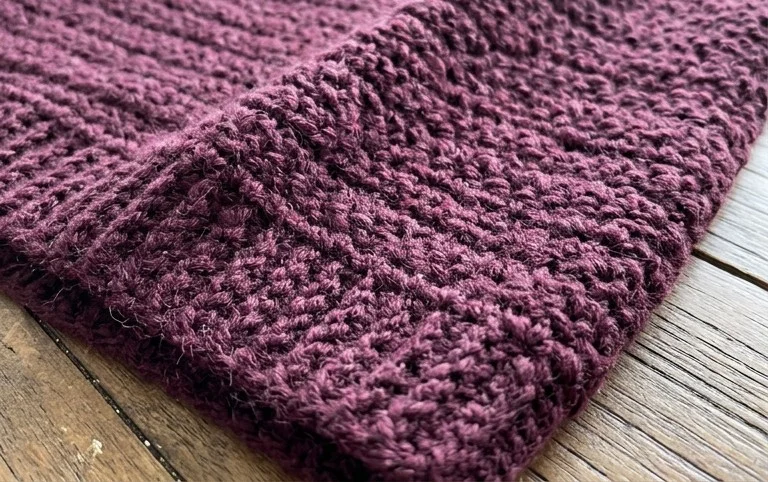
Your new handmade sweater provides a warm layer for layering over long sleeves or wearing solo on crisp spring mornings. Consider using a variegated wool blend if you prefer a subtle color shift that highlights the stitch definition throughout the bodice. Sharing a snapshot of your finished work helps others see how the silhouette fits different body types, so post your progress to your favorite craft community. Visit the main blog page to browse more free patterns that rely on fundamental techniques for building your handmade collection.