Easy Crochet Snake Pattern: Free Beginner Step-by-Step
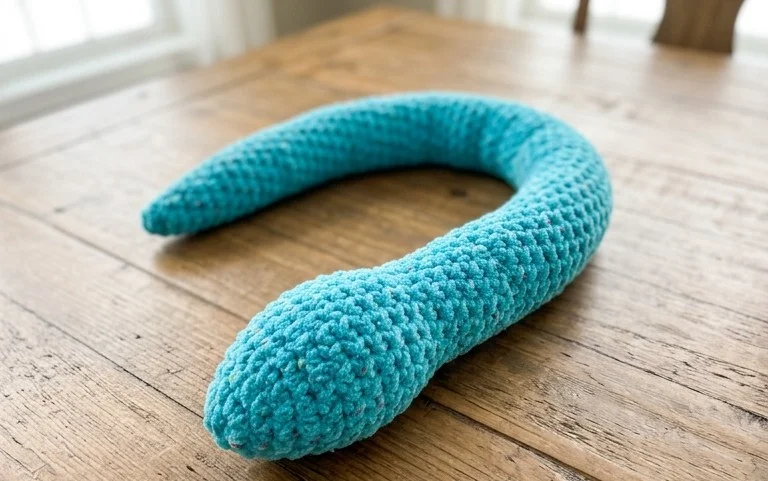
This squishy, stuffed reptile works up quickly using basic rounds and simple shaping, making it a great friend for little ones or a quirky piece of desk decor. The finished toy has a soft, huggable texture that holds its shape well even after hours of play. You will enjoy how the body coils naturally when worked with a slight tension, creating a realistic look without complicated stitches. This project focuses on mastering the single crochet increase and invisible decrease, techniques that smooth out the surface and prevent stuffing from poking through your work. It is a relaxing, rewarding make that helps you practice essential amigurumi skills while building a fun, handmade toy for your yarn stash.
Why You’ll Love This Pattern
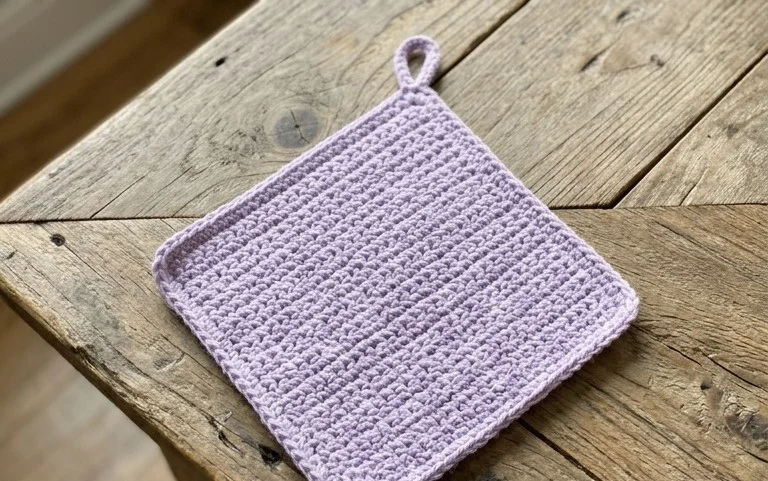
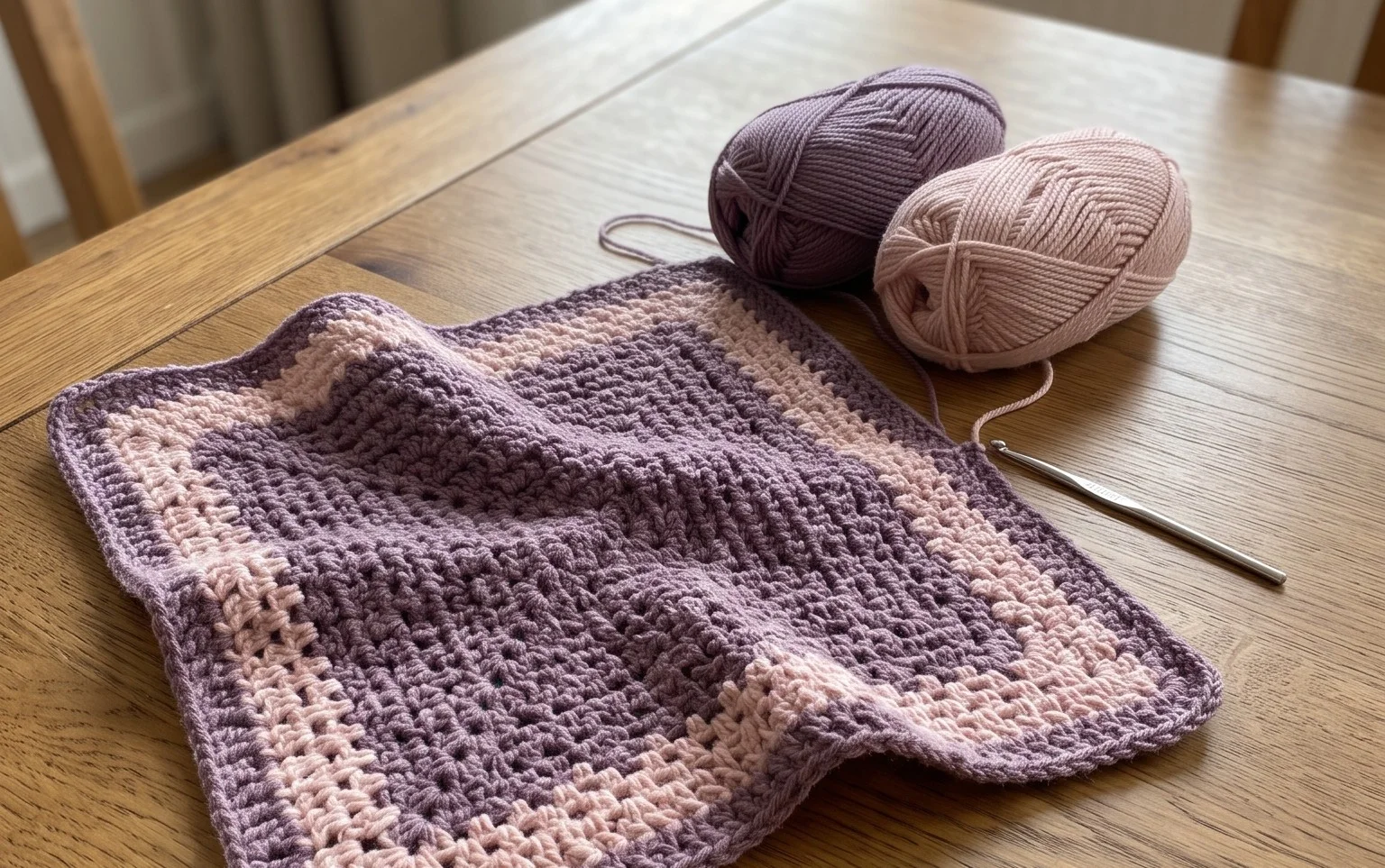
This classic crochet dishcloth is designed to be the ultimate functional scrap-yarn project. It works up in under an hour, making it an ideal choice for last-minute housewarming gifts or quick kitchen refreshes. The dense texture created by the stitch pattern is excellent for scrubbing surfaces while remaining soft enough to wring out easily. Because it uses simple, repetitive motions, it serves as a meditative project that requires minimal concentration once you complete the first two rows.
I managed to make three of these in one afternoon using leftover cotton yarn from my stash, and they are already holding up better than the store-bought versions.
— Sarah, home crafter
Pattern Overview & Skill Level
- Skill Level: Beginner
- Approximate Time: 45–60 minutes
- Construction: Flat panel worked in rows
- Finished Dimensions: 8 inches by 8 inches
Materials & Supplies Needed
- Yarn: Worsted weight (#4), 100% cotton, approximately 60 yards.
- Hook Size: 5.0 mm (H-8).
- Notions: Tapestry needle for weaving in ends, scissors.
- Safe Yarn Substitutions: Any cotton or cotton-linen blend of medium weight works well. Avoid acrylic, as it does not absorb water effectively and will not scrub surfaces well. Changing the fiber to a wool blend will significantly alter the texture and washability.
Stitch Guide & Abbreviations (US Terms)
- ch: Chain
- sc: Single crochet
- dc: Double crochet
- st(s): Stitch(es)
- sp: Space
- Seed Stitch: A texture created by alternating a single crochet and a double crochet in the same row, then placing the opposite stitch into the top of the previous row’s stitch.
Step-by-Step Pattern Instructions
This dishcloth is worked from the bottom up in flat rows. Turning your work consistently at the end of each row ensures the edges remain straight.
Dishcloth Body
- Row 1: Ch 30. Sc in the second ch from the hook, dc in the next ch, sc in the next ch repeat from * to * until the end of the row. Turn. (29 sts)
- Row 2: Ch 1, sc in the first dc of the previous row, dc in the next sc. Continue alternating sc and dc across the row, ending with a dc in the last sc. Turn. (29 sts)
- Rows 3–28: Repeat Row 2 until the piece measures approximately 8 inches from the foundation row.
- Final Row: Ch 1, sc in each st across the entire row to create a clean finish. Fasten off. (29 sts)
Finishing
Once you reach the final row, cut your yarn leaving a six-inch tail. Pull the tail through the final loop to secure it. Thread the tail onto a tapestry needle and weave it back and forth through the base of the final row three times to hide it securely. Repeat this process for the starting tail at the foundation chain.
Care & Washing Instructions
- Machine wash in warm water on a gentle cycle to maintain the integrity of the cotton fibers.
- Lay the dishcloth flat on a clean towel to air dry, reshaping it into a perfect square while damp.
- Avoid using fabric softener, as it leaves a waxy residue that reduces the natural absorbency of the cotton.
Pro Tips & Common Mistakes to Avoid
Maintaining consistent tension is the most important factor in this pattern. If your stitches are too tight, the fabric will be stiff and difficult to use; if too loose, it will lose its scrubbing power. Use a stitch marker on the first stitch of every row if you find yourself losing track of your count, as it is easy to skip the final stitch in a row. When weaving in ends, always go in multiple directions to ensure the yarn does not pull out during laundering. If you want to adjust the size, simply add or subtract chains in multiples of two for the foundation row, though remember that a larger cloth will require more than one ball of standard-sized cotton yarn.
Frequently Asked Questions
Can I use a larger hook for this project?
Using a larger hook will result in a drapier, more open fabric. While this works for cleaning, it makes the dishcloth less effective at scrubbing, so it is recommended to stick to the 5.0 mm size.
Is this pattern suitable for complete beginners?
Yes, this is an excellent starter project. It only requires knowledge of two basic stitches and focuses on maintaining a straight edge, which is the most essential skill for flat crochet projects.
How do I adjust the size of the dishcloth?
You can make the dishcloth wider by adding foundation chains in multiples of two, and you can make it longer by simply continuing to repeat the row instructions until you reach your desired height.
May I sell the items I make from this pattern?
You are welcome to sell finished items created from this pattern, provided you credit the design. Please do not redistribute the pattern text itself or claim the design as your own work.
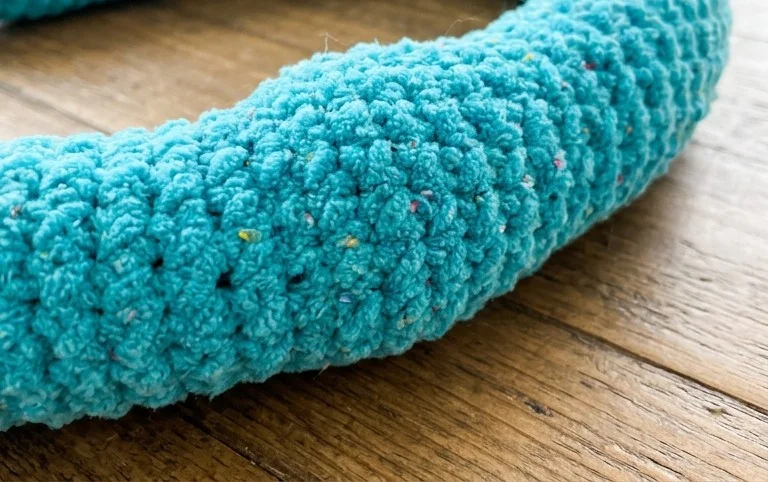
Your handmade creature is now ready to join your shelf or become a companion for a child, showing how simple stitches produce such character. You might consider using a variegated yarn to give the skin a natural, scaled appearance or adding small safety eyes for a curious expression. Sharing a photo of your completed project helps others find inspiration for their own craft time. Head back to the main page to browse more beginner-friendly projects that use basic materials from your stash to create useful items.